
Don’t Climb It, View It! The Ultimate Mt. Fuji & Hakone Golden Route Guide for First-Timers [2026 Edition]

Calico
First-time visitor cat

Shiba
Tokyo local guide dog
"I want to see Mt. Fuji!"
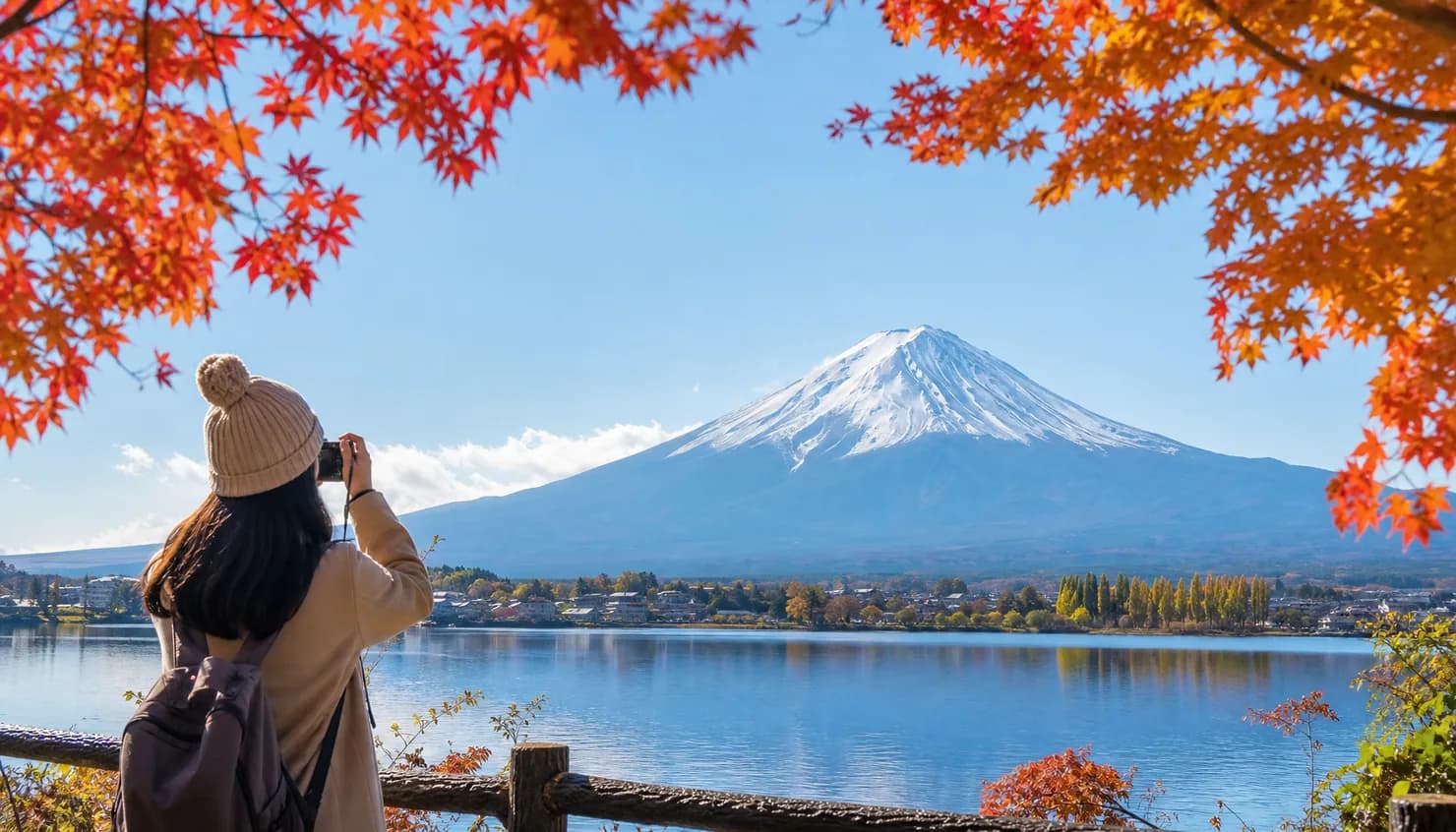
This is the ultimate dream for almost everyone planning their first trip to Japan. But if you’re thinking, "Since I'm there, maybe I should climb all the way to the top?"—hold that thought. If you want to truly fall in love with Japan's iconic peak on your first visit, skipping the grueling, exhausting summit trek and choosing to admire its majestic beauty from afar is, hands down, the superior way to go.
Here is why viewing Mt. Fuji is infinitely better than climbing it, and how to get the absolute best views by exploring the magical hot spring town of Hakone.
1. Mt. Fuji: To Climb or to Admire?
Hardcore Climbing vs. Luxurious Viewing
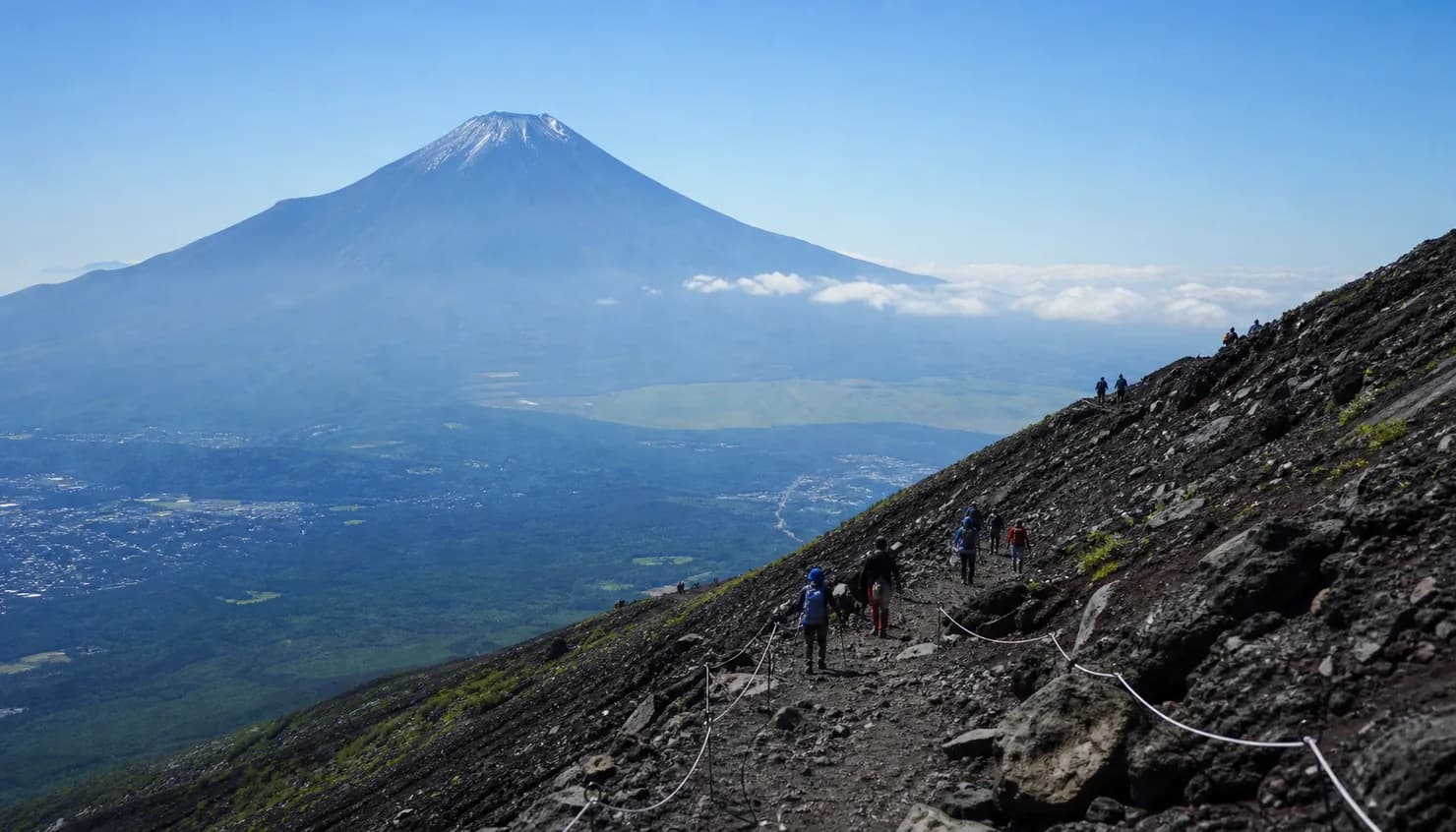
From a distance, Mt. Fuji is a masterpiece—a perfectly symmetrical volcanic cone rising gracefully into the blue sky. Up close, however, the reality is a brutal wake-up call.
Climbing Mt. Fuji means navigating steep, monotonous switchbacks over loose, slippery volcanic gravel and jagged rocks. Altitude sickness is a very real threat, and even in the dead of summer, temperatures near the summit plummet to below freezing. To tackle it safely, you need serious hiking boots, professional cold-weather gear, headlamps, and wet-weather apparel. That’s a massive chunk of your precious luggage space gone just for one hike.
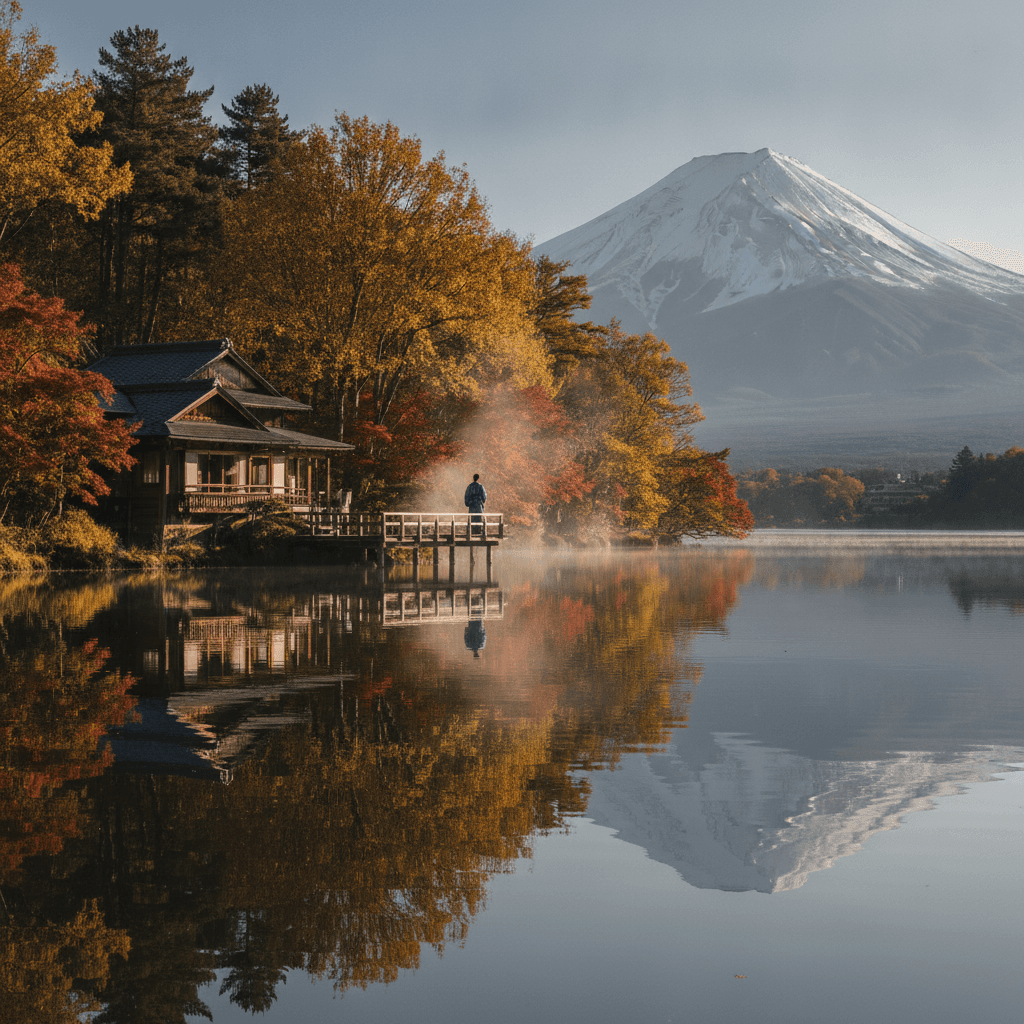
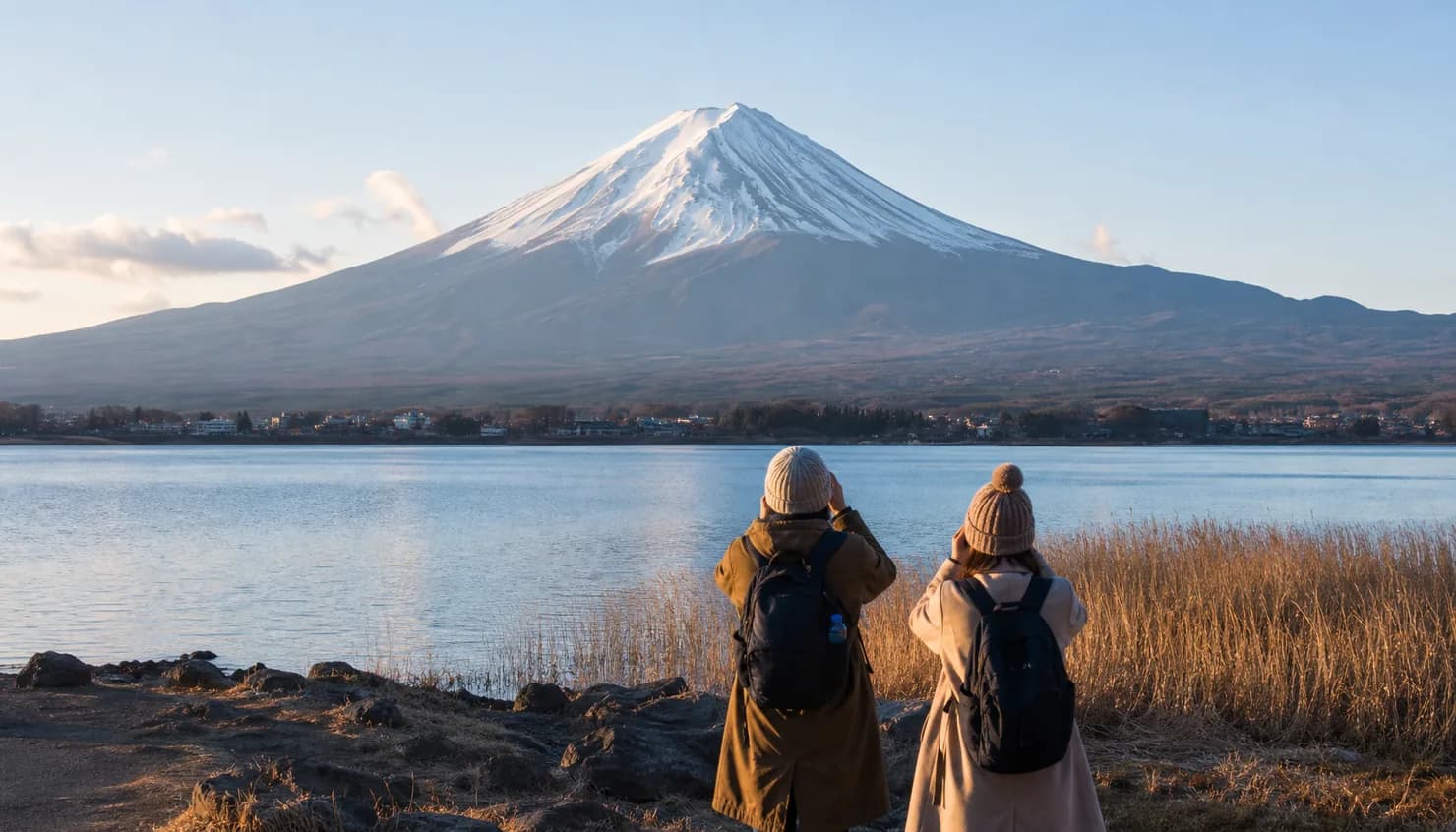
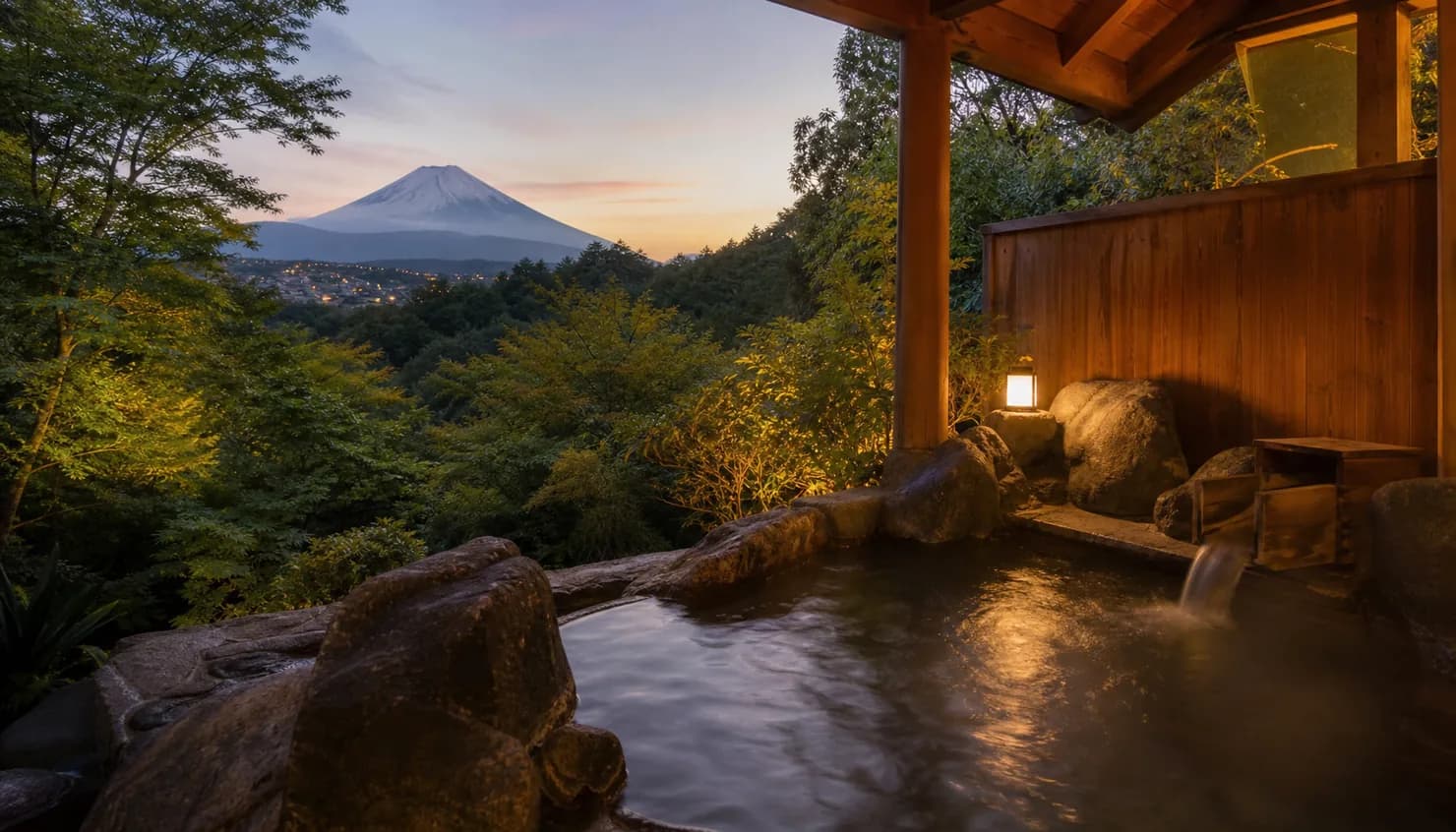
On the flip side, "admiring" Mt. Fuji from the valleys below is pure luxury. You can soak in a steaming outdoor hot spring (onsen) or savor a multi-course Japanese dinner while gazing at the mountain framed like a living painting. You save your energy, avoid the blisters, and get to experience Japan’s rich culture in style.

"But it's Mt. Fuji! A once-in-a-lifetime trip! Don't you think standing at the summit and watching the sunrise over the clouds would be the ultimate brag-worthy moment?"

"I get the hype, but climbing Fuji is a legit survival challenge, not a casual stroll. Plenty of tourists end up miserable and underprepared. Trust me, soaking in an open-air hot spring with a view of Fuji is the real way to win at Japan travel!"
Essential 2026 Mt. Fuji Climbing Rules to Keep in Mind
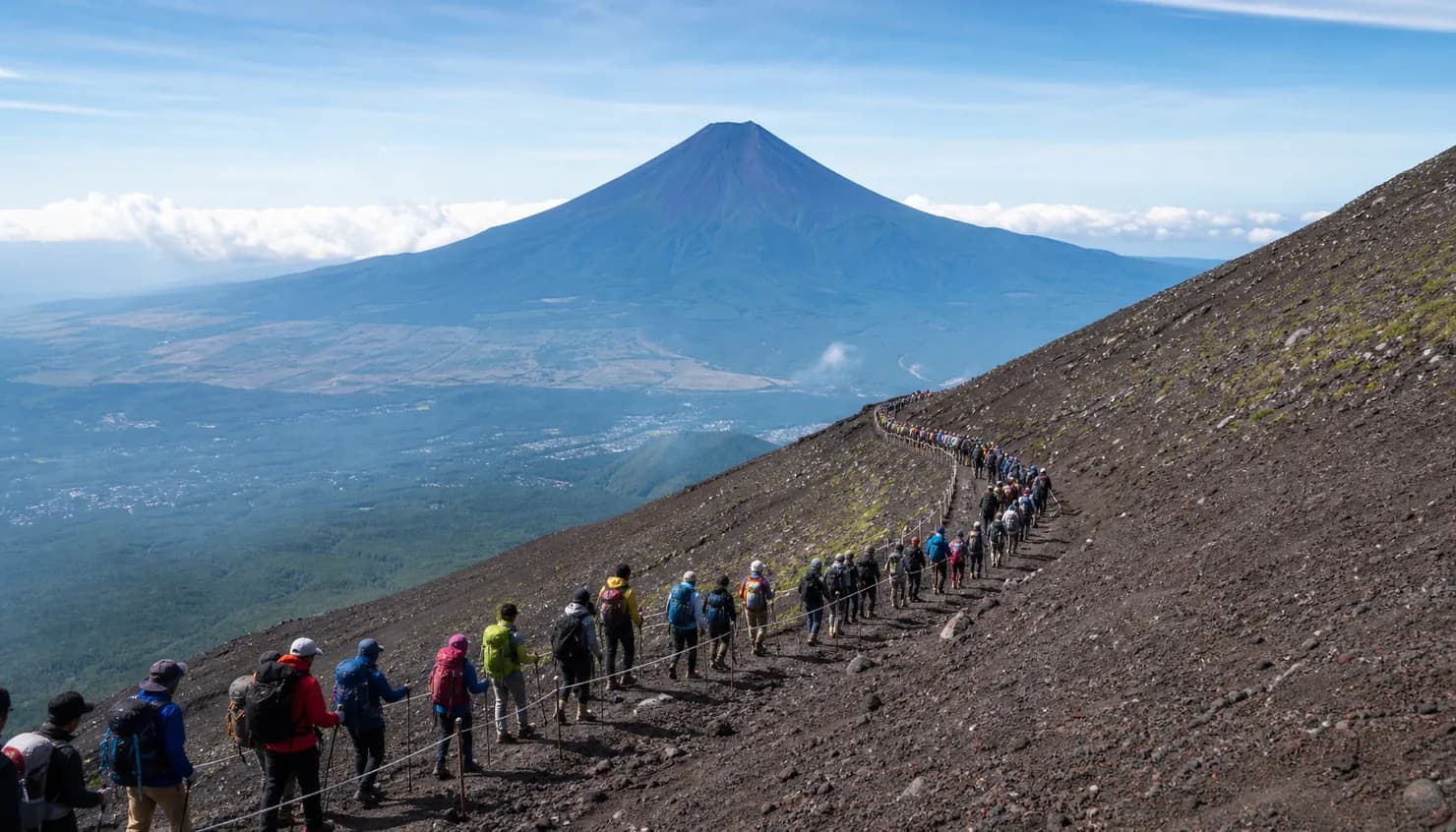
For the die-hard adventurers who still have their hearts set on conquering the peak, you need to be aware of some major regulatory changes.
On the popular Yoshida Trail (Yamanashi side), there is a mandatory entry fee of 4,000 JPY per climber (which replaces and integrates the old optional donation system). Daily climber numbers are strictly capped at 4,000 people, and night climbing without a mountain hut reservation is prohibited. To manage this, an online pre-booking system is fully active.
Meanwhile, the three trails on the Shizuoka side (Fujinomiya, Gotemba, and Subashiri) have also formalized their own strict rules for the 2026 season. These include mandatory pre-registration, restrictions on night hiking, and effective entry fees. If you are planning a summit attempt, you must check the official government websites for the most up-to-date guidelines before you go.
Given the red tape, prep work, and gear required, taking a leisurely trip to the surrounding viewing spots is clearly the smartest choice for first-time visitors.
2. Why Hakone is the Ultimate Mt. Fuji Viewpoint
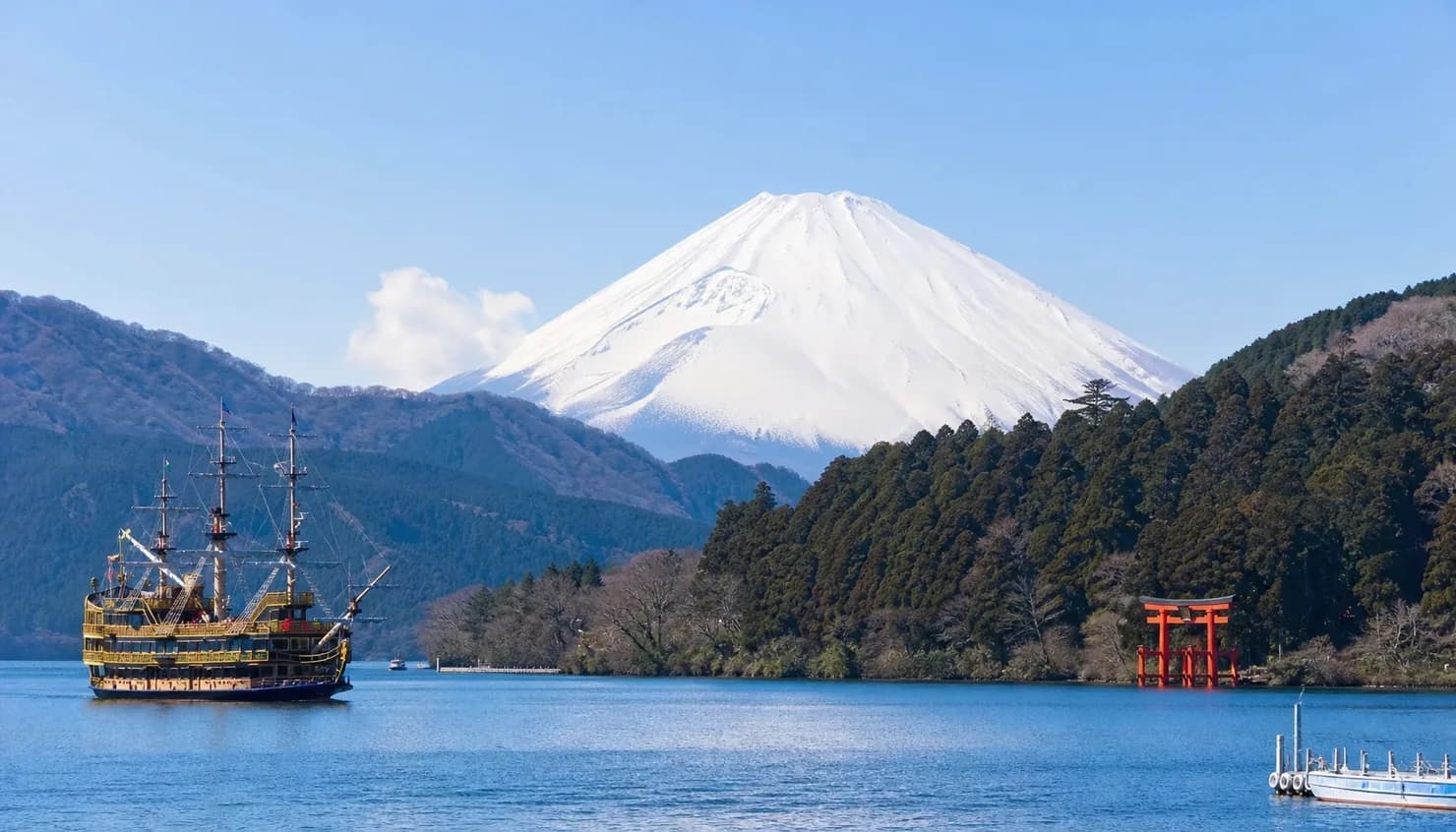
While there are several spots to catch a glimpse of Mt. Fuji, Hakone is reigning supreme for first-timers. And it’s not just because of the views.
Tokyo to Hakone in One Smooth Ride via the Romancecar
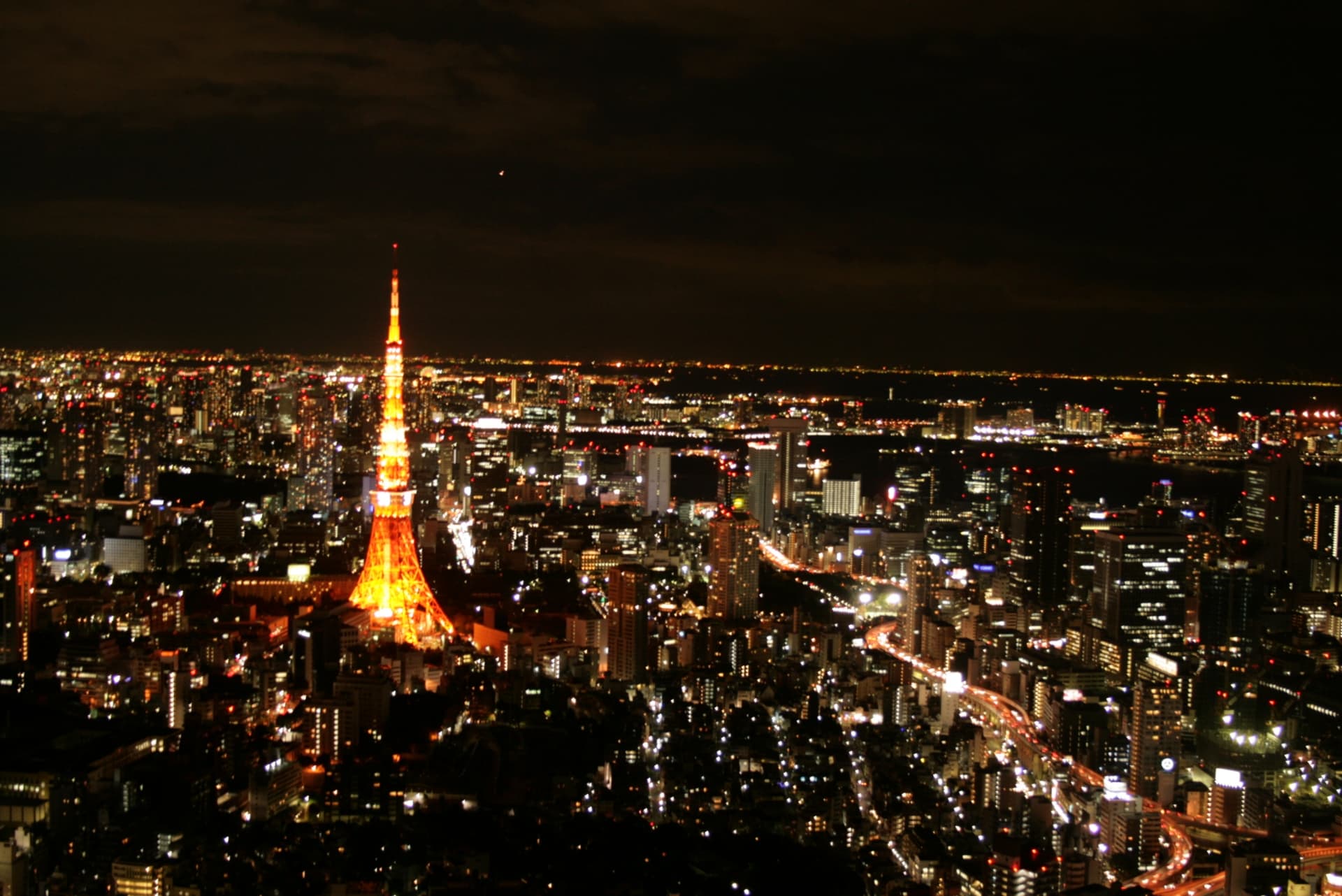
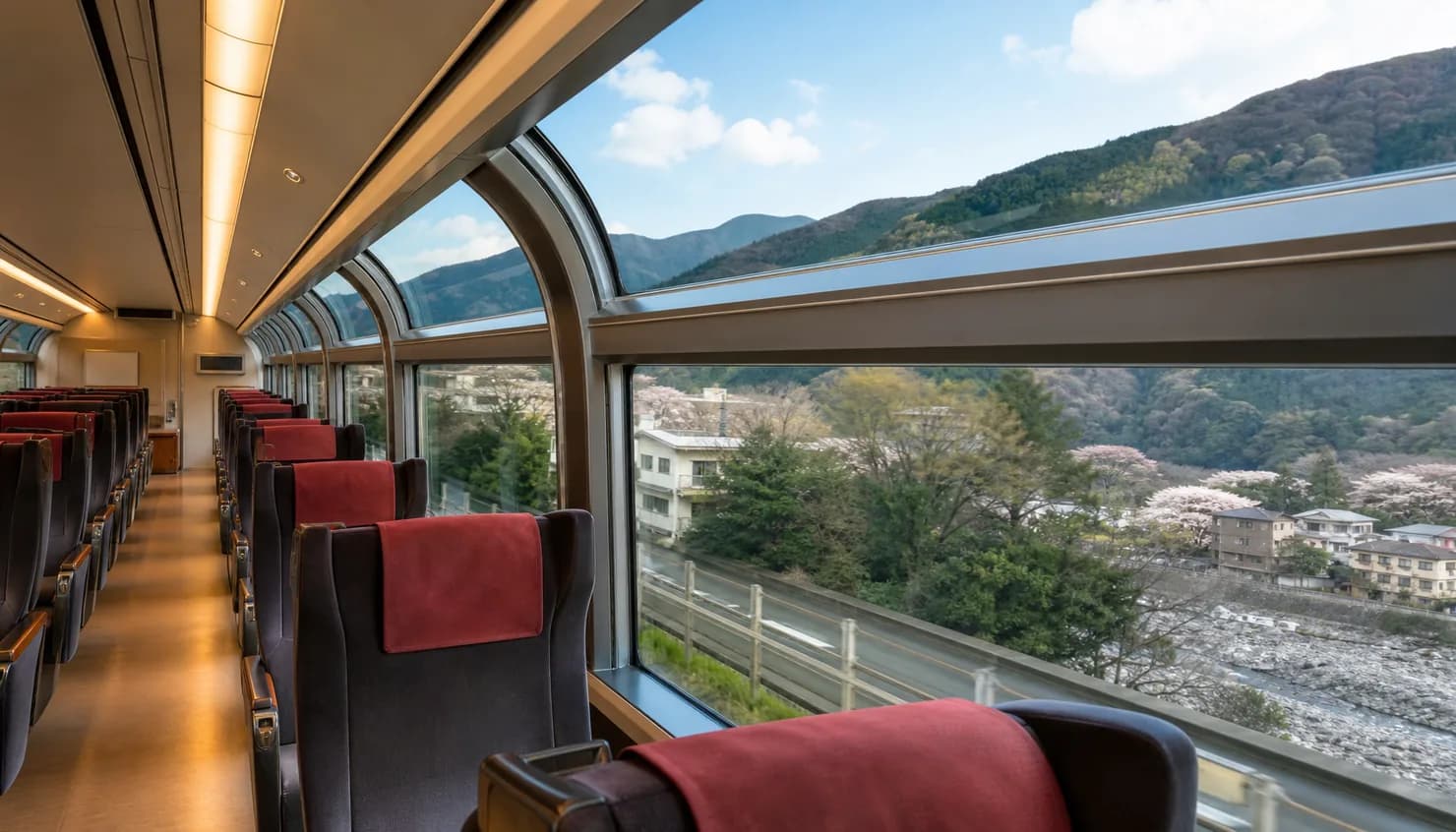
Getting to Hakone is incredibly easy. From Shinjuku Station in central Tokyo, you can hop on the Odakyu Electric Railway’s limited express train, the "Romancecar." It takes you directly to Hakone-Yumoto Station—the gateway to the region—in about 85 minutes, with absolutely zero transfers.
The train is exceptionally clean, quiet, and spacious. If you book early, you can snag seats in the Observation Car (front or rear), which features massive panoramic windows looking out onto the Japanese countryside. The ride itself is a highlight of the trip.
Hot Springs, Pirate Ships, and Art—The Ultimate "Plan B"
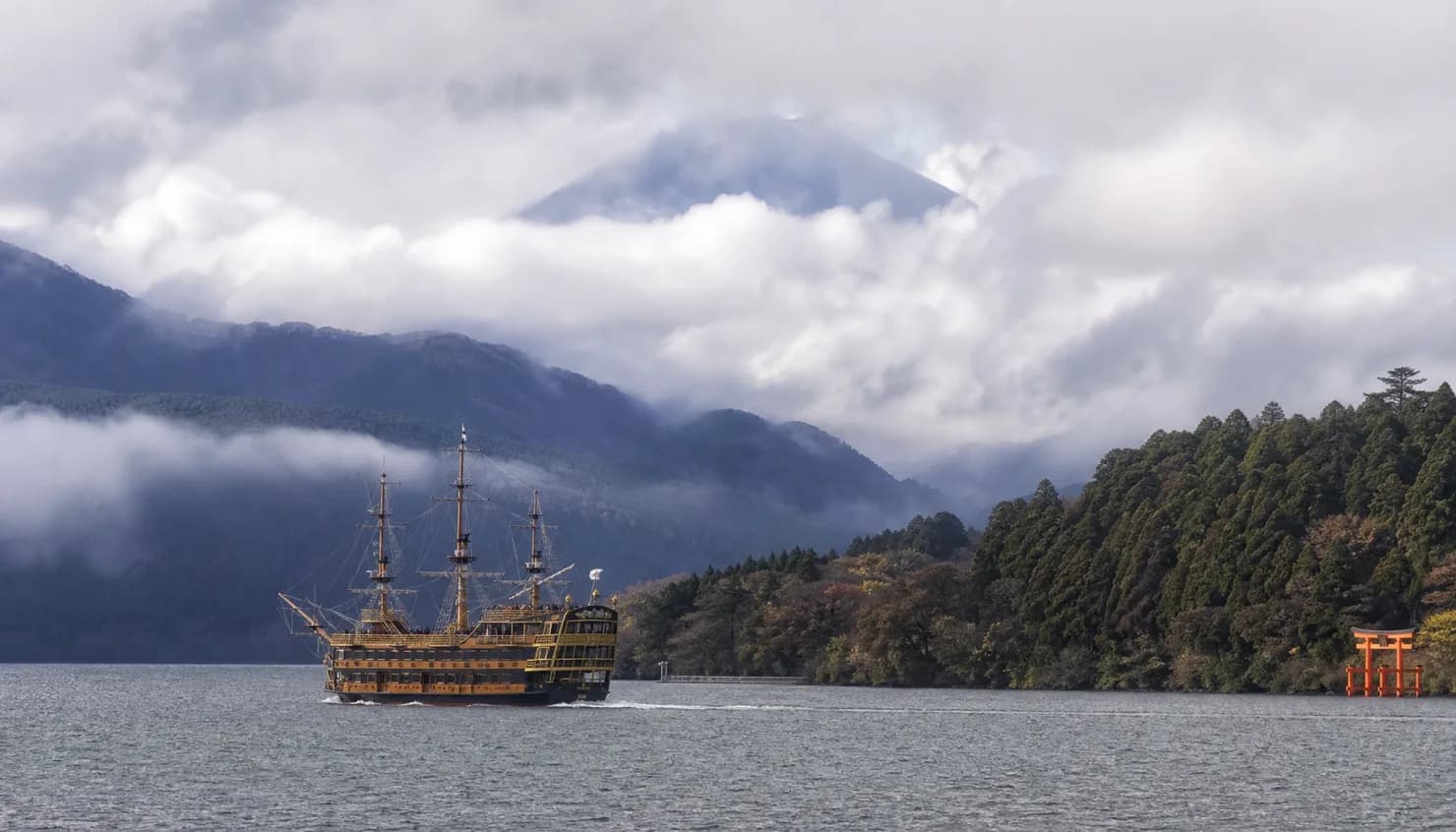
Mountain weather is notoriously fickle. Even with the best planning, Mt. Fuji can be incredibly shy, hiding behind a thick blanket of clouds for hours or days.
If you travel to a spot only to see Mt. Fuji and it rains, your day is ruined. But in Hakone, you have the ultimate safety net.
Hakone is packed with incredible attractions. You can soak in historic hot springs that have been bubbling since the Edo period, feel the volcanic earth rumble at the steaming vents of Owakudani, cruise across Lake Ashi on a massive, whimsical pirate ship, or wander through world-class installations at the Hakone Open-Air Museum. Even if Mt. Fuji decides not to show up, Hakone ensures your day is still packed with unforgettable memories.

"Wait, so if it's cloudy and Mt. Fuji is hiding, my entire day isn't ruined? I don't have to just sit in my hotel room and cry?"
"Exactly! That's the magic of Hakone. You can eat volcanic black eggs, ride a ropeway over sulfur vents, and melt your worries away in a luxury hot spring. Fuji is just the cherry on top of an already amazing sundae!"
3. The Golden 1-Night, 2-Day Hakone Itinerary
Here is the classic, highly efficient route to experience the best of Hakone at a relaxed pace. It’s a fun-filled journey where the modes of transport—trains, cable cars, ropeways, and ships—feel like theme park rides.
Day 1: Romancecar, Lake Ashi Cruise, and Hot Spring Luxury
- 10:00 AM - Depart Shinjuku Station: Climb aboard the Romancecar and watch the city give way to green mountains. Buying an "ekiben" (railway bento box) to eat onboard is a classic Japanese experience.
- 11:30 AM - Arrive at Hakone-Yumoto Station: Transfer to the charming Hakone Tozan Railway. This mountain train climbs steep slopes using a series of zig-zag switchbacks as it makes its way to Gora Station.
- 12:30 PM - Cable Car to Ropeway: From Gora, hop on the Cable Car, then transfer to the Hakone Ropeway. As you soar higher, the views of the surrounding valleys become breathtakingly grand.
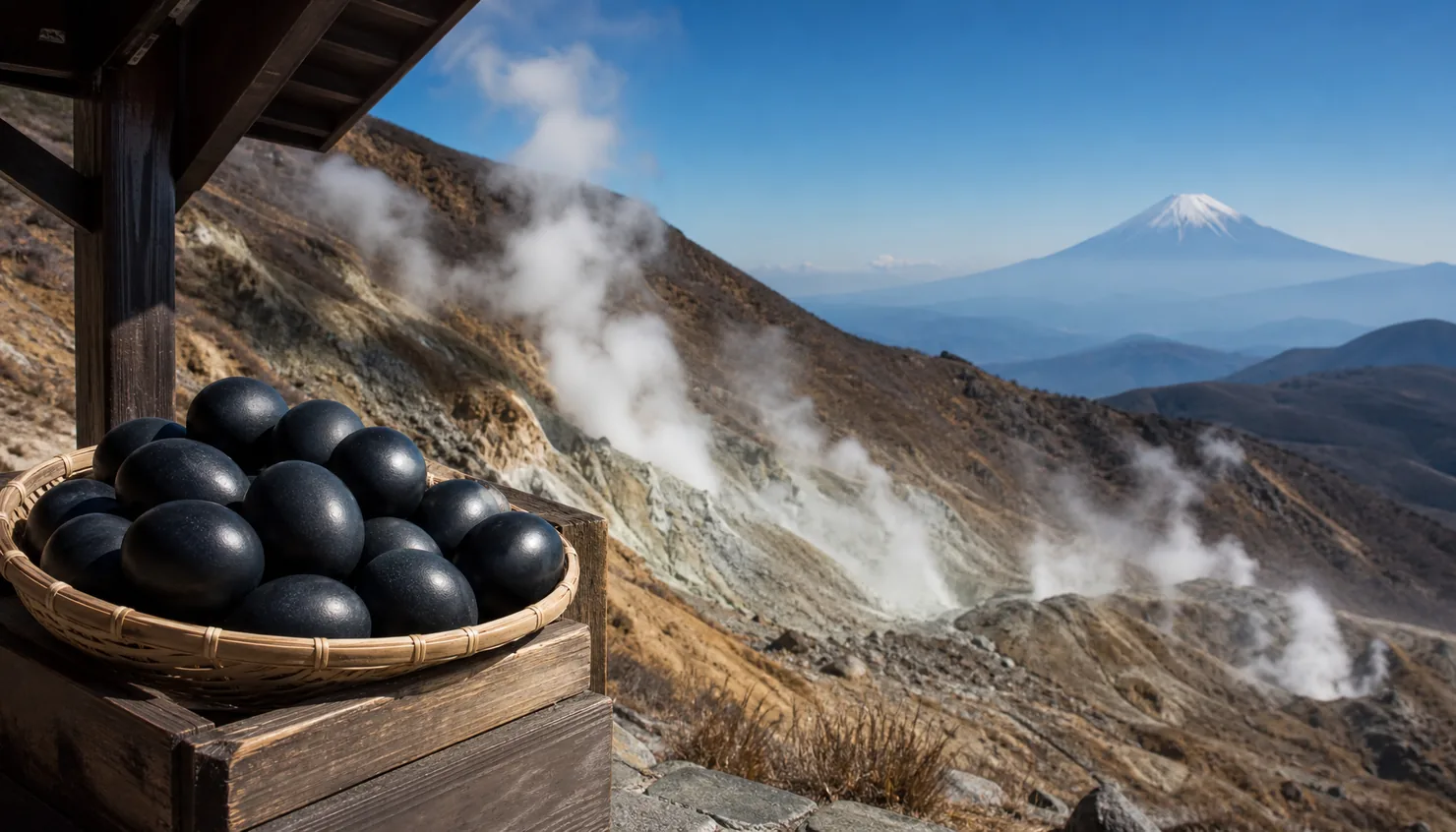
- 1:15 PM - Owakudani (Lunch & Black Eggs): Step out into a surreal, barren volcanic landscape smelling of sulfur. You must try the famous "Kuro-tamago" (black eggs) boiled in the mineral-rich waters. On a clear day, Mt. Fuji looms incredibly large from here.
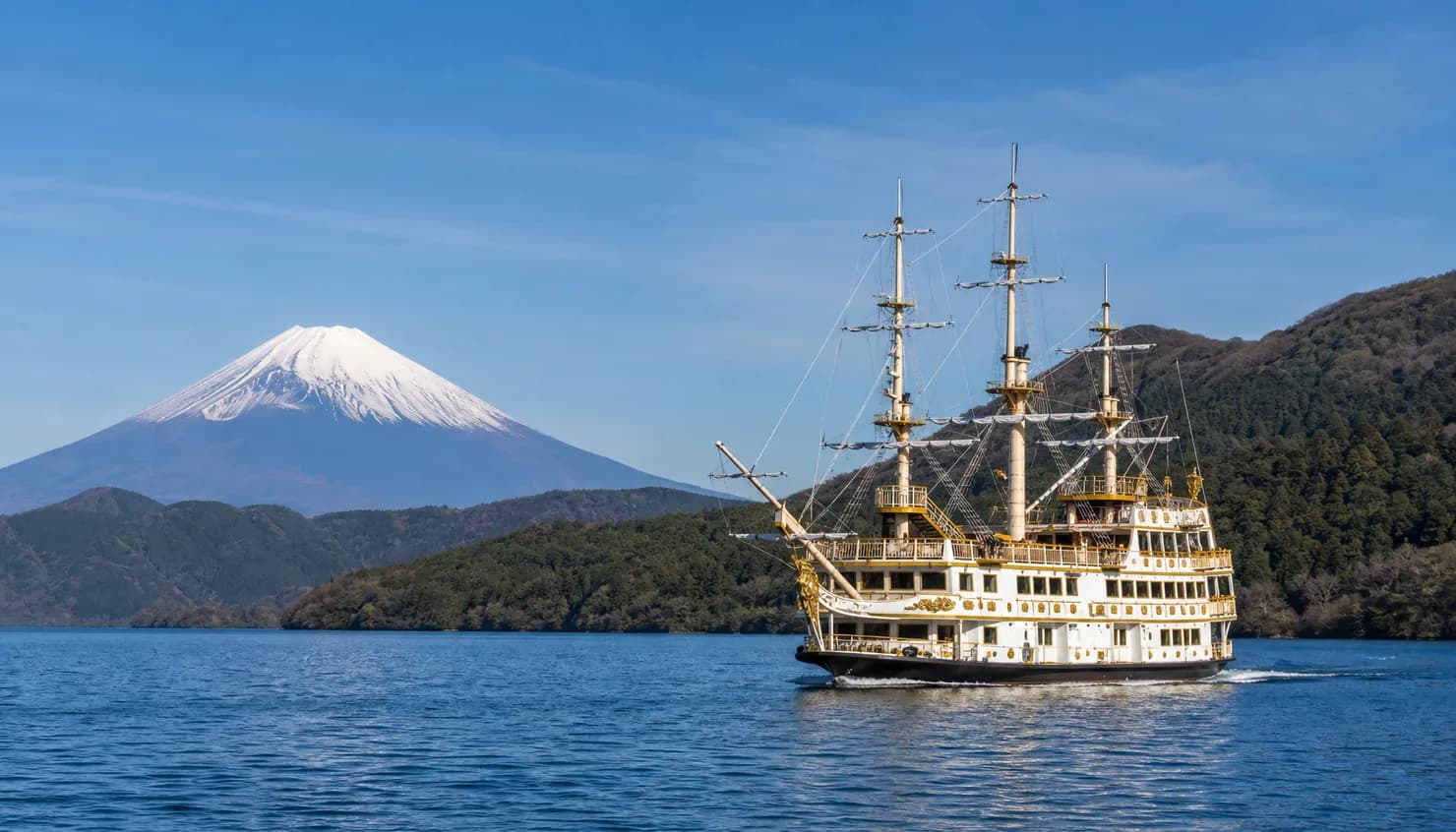
- 2:30 PM - Lake Ashi Pirate Ship Cruise: Take the ropeway down to Togendai Station and board a massive, beautifully decorated pirate ship. Feel the cool breeze on the deck as you cruise across the deep blue waters of Lake Ashi toward Moto-Hakone Port.
- 4:00 PM - Check into your Ryokan: After an active day of sightseeing, check into a traditional Japanese inn (ryokan) or a modern hot spring resort. Change into a comfortable yukata robe, soak in the healing waters, and enjoy a gorgeous multi-course kaiseki dinner.

"Whoa, those eggs are pitch black! Is it true that eating one adds seven years to your life? But wait... what if someone has food allergies?"

"The black eggs are standard chicken eggs, so anyone with a chicken egg allergy should definitely skip them. Even if you don't have an egg allergy, if you have other severe food allergies, cross-contamination is always a possibility in busy tourist shops. It's smart to have your dietary restrictions written down in both English and Japanese. If you use the DokodemoJapan planner, you can keep your allergy notes organized on your phone to show the shop staff easily!"
Day 2: Morning Shrines, Art Walks, and Iconic Fuji Frames
- 9:00 AM - Hakone Shrine: Beat the crowds to the famous "Torii of Peace," a red wooden gate standing majestically inside the waters of Lake Ashi. It’s one of the most photogenic spots in Japan.
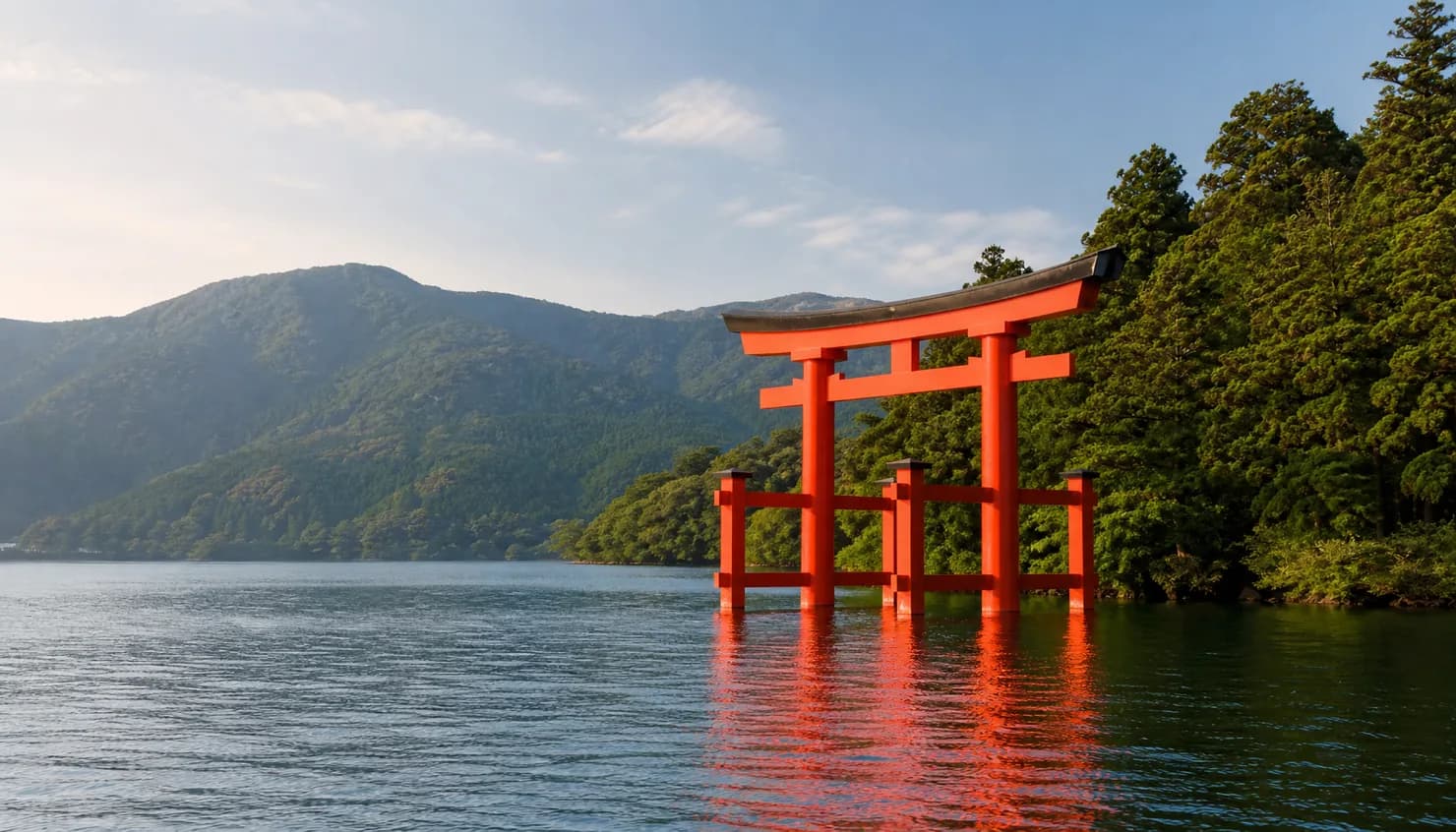
- 11:00 AM - Hakone Open-Air Museum: Stroll through a massive green park dotted with extraordinary, larger-than-life sculptures. There’s even a dedicated Picasso Pavilion. It's highly interactive and fun even if you aren't an art history buff.
- 2:00 PM - Lunch & Souvenir Shopping at Moto-Hakone: Enjoy a hot bowl of soba noodles or grab a pastry at a lakeside bakery. If the weather is clear, this lakeside area offers the ultimate postcard shot: Lake Ashi, the red floating torii gate, and Mt. Fuji towering in the background.
- 4:30 PM - Head back to Shinjuku: Board the Romancecar from Hakone-Yumoto, swap photos on your phone, and enjoy a smooth ride back to Tokyo.
4. 3 Essential Insider Tips for Conquering Hakone in 2026
To make your trip as smooth as possible, keep these practical tips in your back pocket.
① Buy the Digital "Hakone Freepass" in Advance
Since you’ll be hopping on and off mountain trains, cable cars, ropeways, ships, and local buses, buying individual tickets at every single stop is a massive waste of time and money.
Instead, get the Hakone Freepass, which covers unlimited rides on eight major transport systems in the area.
The digital version (available via Odakyu's "EMot" platform or Web-based portals) is the gold standard. You just show the QR code on your smartphone to station staff. It saves you from downloading clunky apps, though you should check the official website before your trip to confirm the latest pricing, as rates may be adjusted.
② Monitor Fuji's Visibility with Live Cameras
Mt. Fuji is notoriously "shy." It might be perfectly visible at 8:00 AM and completely swallowed by fog by noon.
To avoid disappointment, use the official Hakone town live webcams. You can check the real-time visibility at Owakudani or Lake Ashi from your phone. If you see the skies clearing up, you can adjust your itinerary on the fly and head straight to the viewpoints. Flexibility is key!

"Oh no! It was totally clear a minute ago, but now a wall of fog rolled in and Fuji vanished! The mountain weather really is unpredictable..."

"It really is. That's why checking the live cams is a game-changer. If you see Fuji peeking out on the camera, that’s your cue to head to the lake immediately!"
③ Stay Mindful of Volcanic Gas Regulations at Owakudani
Owakudani is an active volcanic zone. Because of this, sulfurous gases are constantly being released from the ground. Depending on wind conditions and gas levels, certain hiking trails or viewing areas may be temporarily closed for safety.
If you have asthma, respiratory issues, or heart conditions, you should exercise caution as these gases can trigger symptoms. Be sure to check the official Hakone Ropeway or local municipal websites for real-time safety updates before you head up.
5. Master Hakone's Transport Puzzle with the DokodemoJapan Notion Travel Planner
*[Sponsor Message] The travel planner featured in this article is an original digital product designed and sold by DokodemoJapan.*
"Mountain trains, ropeways, pirate ships, buses... there are too many moving parts! My brain's internal GPS is completely fried, and I'm going to lose all my booking confirmation emails!"

"Don't panic! That is exactly why we created the Notion Travel Planner. It keeps all your train times, digital tickets, and reservations neatly organized in one easy-to-use digital hub!"
Conquer Hakone's Complex Routes Effortlessly
As you can see, the beauty of Hakone lies in its puzzle-like transport network. But for a first-time visitor, keeping track of your Romancecar departure times, your digital Freepass, your ryokan address, and the current ropeway status can quickly feel overwhelming.
That’s where the DokodemoJapan Notion Travel Planner comes in.
With this template, you can:
- Store all your Romancecar tickets, hotel confirmations, and digital passes in one place.
- Track your 1-night, 2-day timeline step-by-step with zero stress.
- Keep quick-access links to Hakone live webcams and volcanic safety sites.
- Store your food bucket list and write down critical Japanese translation notes for food allergies (like the black egg warning!).
Instead of digging through a messy email inbox at a crowded train gate, you can manage your entire Japanese adventure from a single screen. Grab your template on Etsy (paid download) and make your dream trip to Japan run like clockwork!
Turn this guide into a real trip
Two travel companions made by us — pick what you need.
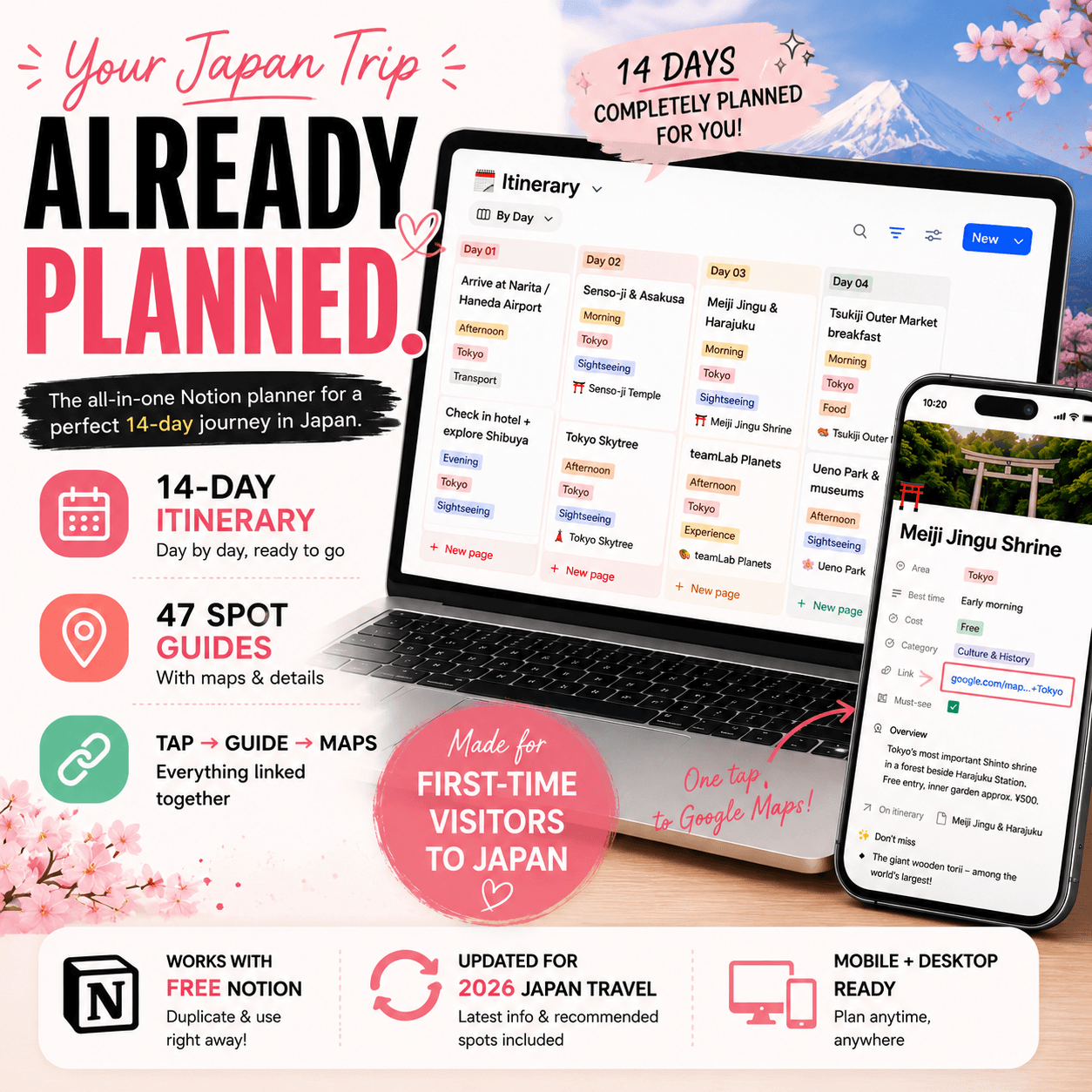
Japan Travel Planner
Editable Notion template, ready for 2026. Plan your trip on your phone, on the go.
See the planner →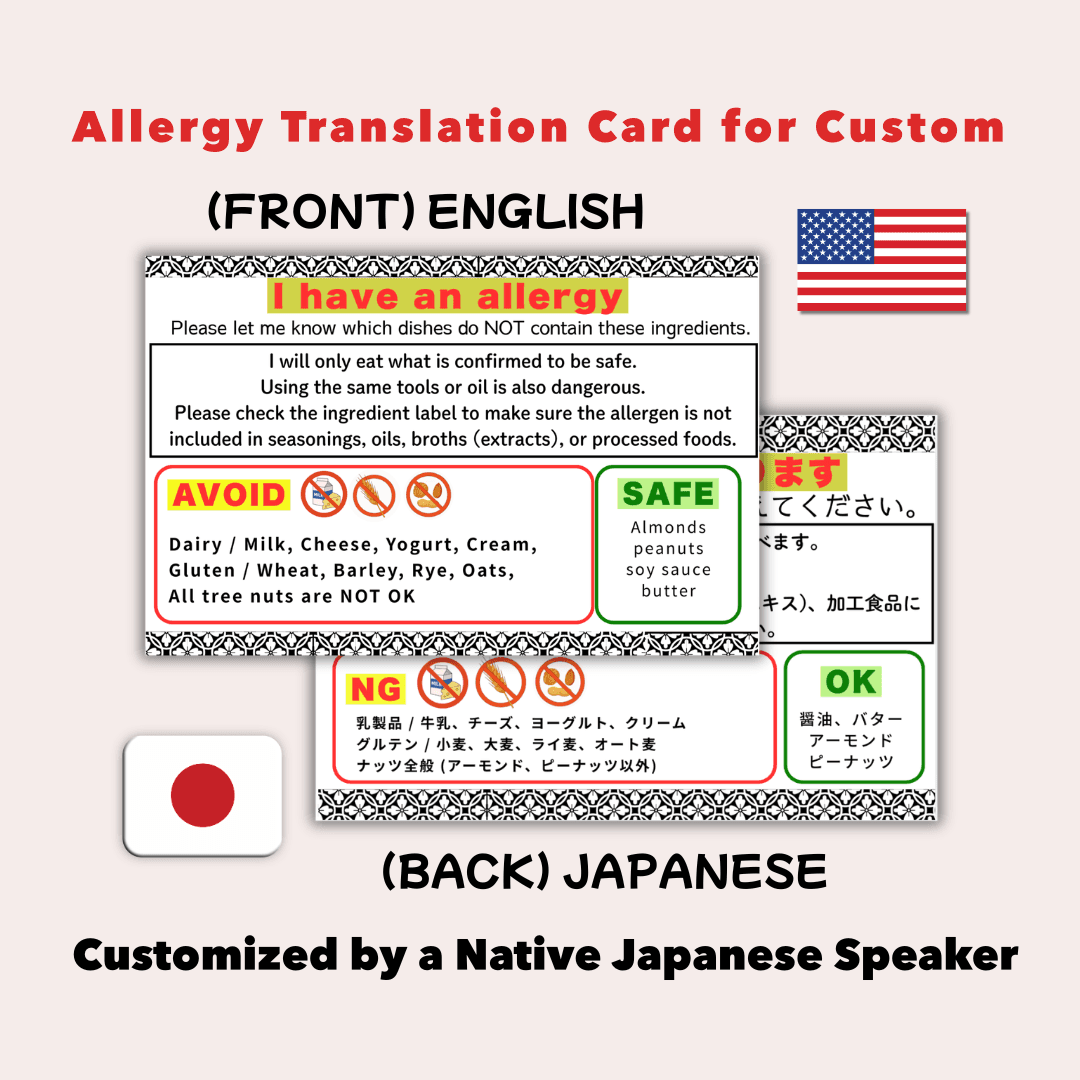
Food Allergy Translation Card
Eat out in Japan with confidence. Made by Japan-based locals.
See the card →[PR] These are Etsy products by DokodemoJapan, the team behind this blog.